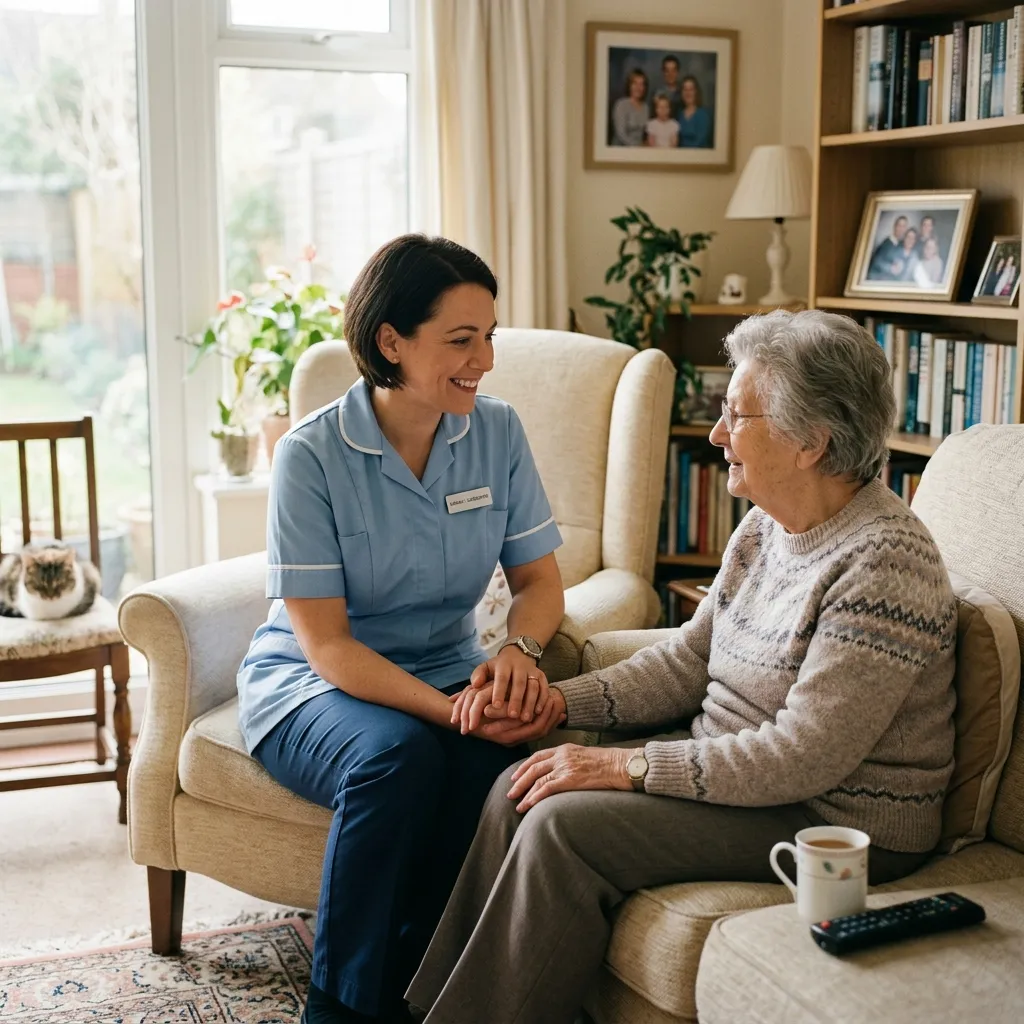
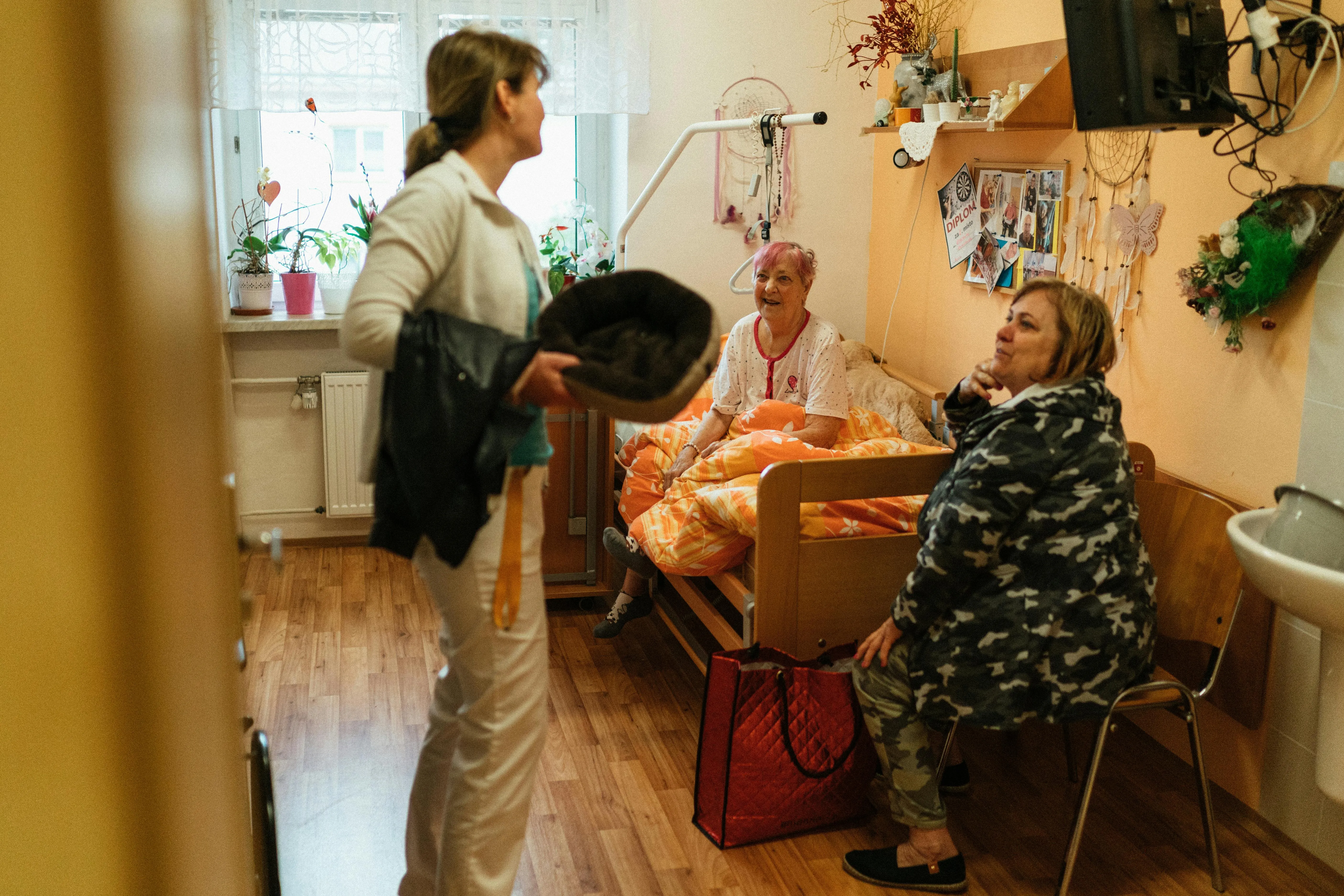
Caring for a loved one with dementia can feel overwhelming, but it is also filled with moments of love, connection, and meaning. When care is provided at home, seniors can remain in a familiar setting where they often feel safer and more at ease. With time, preparation, and empathy, families can create a nurturing environment that supports both the senior and the caregiver.
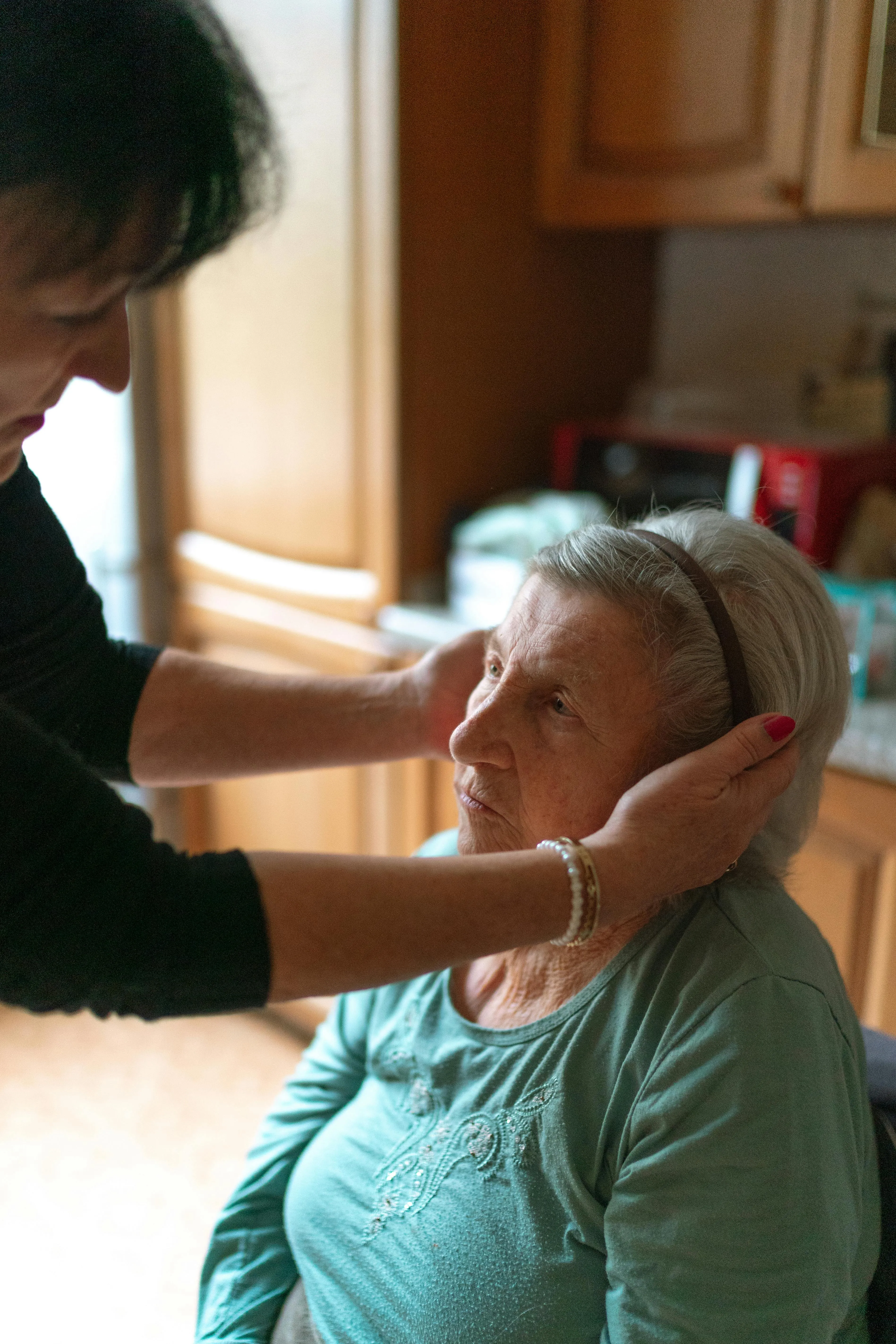
Create a Safe and Familiar Environment
Familiar surroundings reduce confusion. Keep the home well lit, identify key areas, and avoid moving furniture. Remove clutter and loose rugs to prevent falls. Simple adjustments like these can improve safety and ease of daily living.
Keep a Simple Daily Routine
Comfort comes from consistency. Maintain regular mealtimes, activities, and bedtimes. A gentle routine provides rhythm and can ease anxiety.
Encourage Independence
Simple tasks like folding laundry, watering plants, or stirring a bowl give a sense of purpose. Encouraging independence whenever possible helps seniors feel involved and appreciated.
Communicate with Clarity and Warmth
Use short, clear language and a calm tone. Give time to respond. A smile, gentle touch, and eye contact often convey more than words.
Daily Goals That Support Purpose
Small achievements like making tea or getting dressed build confidence. Activities such as board games promote memory, focus, and social interaction while lifting mood.
Gentle Physical Movement
Regular activity like stretching, chair exercises, or a short walk can improve sleep, mood, and mobility. It only needs to be safe and consistent, not intense.
Use Memory Aids and Gentle Reminders
Calendars, clocks, and whiteboards help with orientation. Labeling cabinets with words like "plates," "cups," and "snacks" can reduce confusion and support independence.
Foster Social Connection
Loneliness can worsen dementia symptoms. Invite a neighbor for tea, set up video calls, or join a local group. Even brief social moments can lift spirits.
Key Takeaways
Safer Home
Lighting, clear pathways, and stable furniture reduce risks.
Steady Routine
Consistent schedules create comfort and predictability.
Gentle Connection
Warm communication and companionship support wellbeing.
Purposeful Tasks
Simple activities maintain independence and confidence.
Small routines and calm support helped our dad feel safe at home again.
Need Help With Home Care?
Our clinical team is ready to help you find the right care solution for your family. Start within 48 hours.